Photo: Council of Ministers
Prime Minister talked about economic reforms, competitiveness and the role of AI with IMF Managing Director Kristalina Georgieva
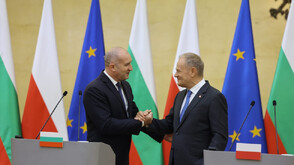
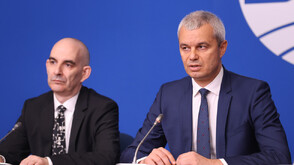
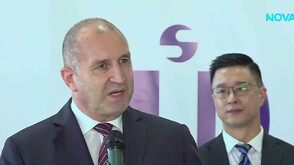
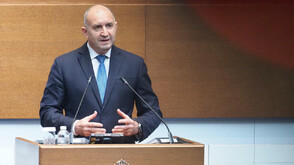
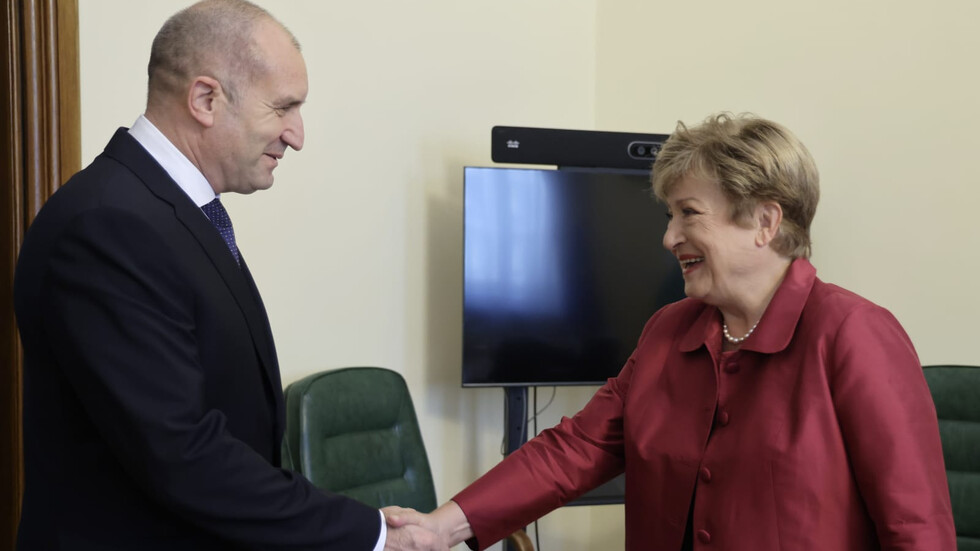
The Bulgarian government is working to bring about a qualitative change in the country's economic environment and attract high-value-added investments that will support the modernization of the economy. This was stated by Prime Minister Rumen Radev during a meeting at the Council of Ministers with International Monetary Fund (IMF) Managing Director Kristalina Georgieva and the IMF Mission Chief for Bulgaria, Fabian Bornhorst.
The discussion focused on the outlook for the Bulgarian economy, the reforms needed to enhance competitiveness, and the growing role of new technologies and artificial intelligence in driving economic development.
Prime Minister Radev emphasized that Bulgaria remains among the European Union countries with the lowest levels of public debt. However, he cautioned that this should not lead to complacency, noting that Bulgaria has been one of the EU member states that has borrowed the most in recent years.
“Over the past five years, economic growth has been driven primarily by stimulated domestic consumption, while investment and industrial production have lagged behind. We must change the growth model and place investment, manufacturing and exports back at the center of economic development. Only then can we achieve sustainable growth, higher productivity and better incomes for citizens,” Radev said.
The Prime Minister also highlighted the reduction of administrative burdens on businesses as a key priority for the new government. He stressed the importance of creating an environment that encourages investment and improves transparency across the economy.
In this context, Radev underscored the significance of the SIGMA framework for public procurement, noting that greater transparency in procurement procedures sends a clear signal to both society and businesses that institutional practices are changing.
Radev further pointed to Bulgaria’s strategic role as a bridge between Europe and Asia, with significant potential for the development of transport, energy and digital corridors.
According to the Prime Minister, Bulgaria’s strong educational traditions in mathematics, science and engineering should be further supported to meet the growing demand for engineers, IT specialists and other highly skilled professionals essential for the country’s future economic development.
Редактор: Маргарита Стоянчева Добави ни в предпочитани източници в Google
Последвайте ни